Growing Children’s Connection to Nature Through Everyday Moments
In a world that often feels busy and fast-paced, helping children slow down and feel connected to the world around them can feel increasingly important. Nature offers a steady counterbalance to this, giving children space to explore, notice, and make sense of things at their own pace. For nannies and families, these moments do not need to be structured or elaborate. They are often found in the rhythm of everyday life, in shared walks, in time spent outdoors, in simple conversations sparked by what a child notices along the way.
These experiences might feel small at the time, but they accumulate. Over time, they shape how children relate to the world, how they notice change, and how they begin to understand their place within it. A key part of this foundation is simply allowing children the time and space to be curious, without rushing to explain or correct, and instead staying present with them as they observe and ask questions.
Starting with Stories: Building Connection Before Understanding
For many children, their first meaningful connection to the natural world begins not outdoors, but through stories. Books create a bridge between imagination and reality, allowing children to engage with ideas in a way that feels accessible, safe, and enjoyable. A garden in a story becomes something alive with possibility, a forest becomes a place of wonder, and a seed becomes something worth caring for long after the final page is turned.
Storytelling is particularly powerful because it introduces children to nature through emotion and familiarity rather than instruction. It allows them to form early relationships with concepts like growth, change, and care without needing to fully understand the complexity behind them. For younger children, this might simply be recognising animals, plants, or weather patterns in illustrations. For older children, it can open the door to conversations about responsibility, impact, and the importance of looking after the environment in ways that feel meaningful rather than overwhelming.
For nannies and families, storytime becomes a natural entry point into these ideas. It can sit comfortably within bedtime routines, quiet moments during the day, or shared reading time after school, offering consistency and familiarity. Over time, these repeated moments of storytelling build a quiet but steady awareness of the natural world and the role children can play within it.
From Story to Experience: Bringing Nature into Everyday Life
What makes storytelling so impactful is how easily it translates into lived experience. A book about planting can naturally lead to planting something together, while a story about changing seasons can turn a walk outside into an opportunity to notice how the environment shifts over time. These connections help children move from simply hearing about nature to actively engaging with it in ways that feel real and memorable.
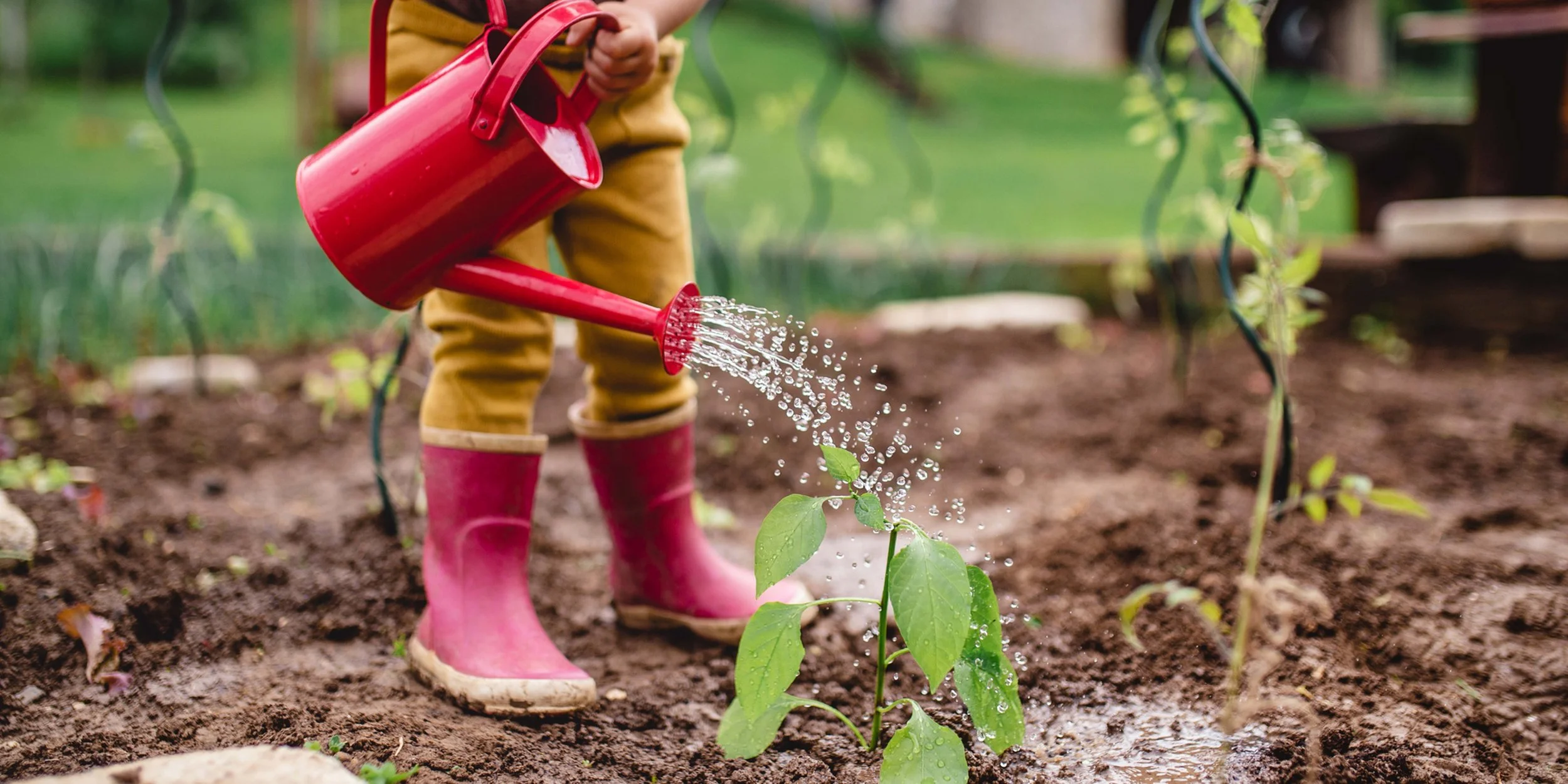
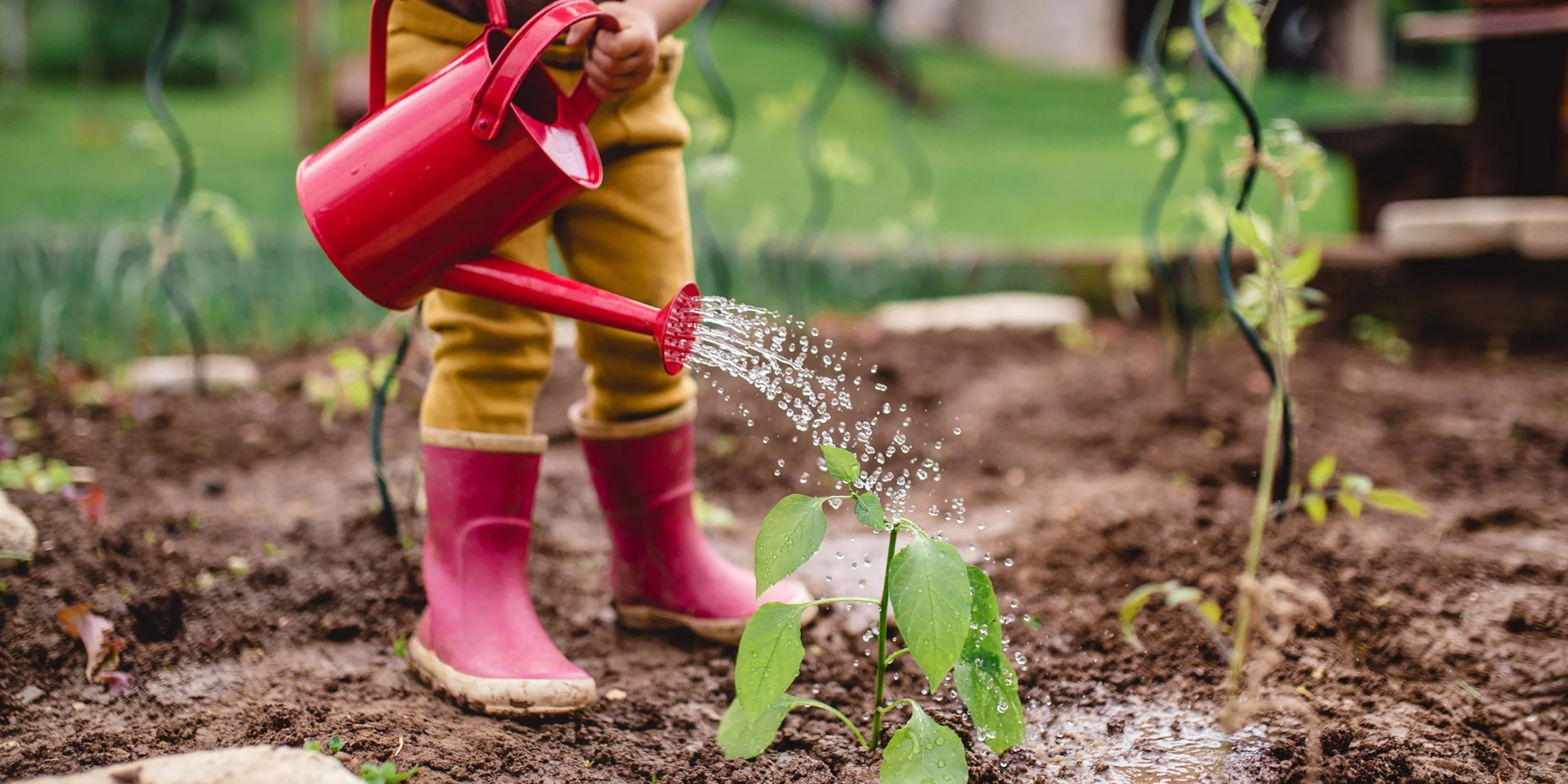
Gardening is one of the most effective and accessible ways to bring this learning to life. It does not require large outdoor spaces or specialist knowledge, and it can be adapted to suit different ages and environments. A few pots on a windowsill, a small patch in a garden, or even recycled containers can become a starting point. What matters most is the involvement of the child in the process, from planting to watering to observing changes over time.
For younger children, gardening is often sensory and exploratory. They may enjoy digging in soil, feeling textures, or helping to water plants, without needing to understand the mechanics behind it. These experiences help build familiarity and comfort with nature, creating positive associations from an early age. For older children, gardening can become more observational and inquisitive. They might begin to ask why plants grow in certain ways, what they need to survive, or how different conditions affect their development.
Over time, these shared experiences help children develop a sense of responsibility and patience. They begin to understand that growth takes time, that care is ongoing, and that small, consistent actions can lead to visible change. These are lessons that extend far beyond gardening itself.
Simple, Practical Ways to Get Started
One of the most important aspects of introducing children to nature in this way is keeping it simple and realistic for everyday life. These experiences do not need to feel like additional tasks; instead, they can be woven naturally into existing routines within the home or during time with a nanny.
Starting with easy, fast-growing seeds can help maintain a child’s interest and sense of involvement. Herbs such as basil or mint are often a good choice as they grow relatively quickly and can be used in everyday cooking, which helps children see a direct link between what they grow and what they eat. Cherry tomatoes and lettuce are also accessible options that allow children to see tangible results over time. For something more visually engaging, sunflowers can be particularly rewarding, as their size and brightness often capture children’s attention and excitement as they grow.
Alongside planting, there are many small, everyday habits that can reinforce these ideas. Watering plants together, reusing containers for gardening, or simply noticing changes in weather or seasons during outdoor time can all contribute to a child’s growing awareness of the natural world. These actions do not need to be formal or structured; their value lies in their consistency and repetition over time.
For nannies, these activities can be gently incorporated into daily routines without disrupting the flow of the day. For families, they can become shared moments that create connection, offering opportunities to spend intentional time together in a way that feels calm and grounded.

Ready to hire the right nanny for your family?
We believe there’s a perfect match for every family if you ask the right questions. We pride ourselves on offering a matching service truly tailored to our nannies and families.
Encouraging Curiosity, Not Perfection
A key part of nurturing children’s connection to nature is allowing space for curiosity without expectation. It is not necessary for adults to have all the answers or to approach these moments with complete certainty. In fact, children often benefit more from seeing curiosity modelled by the adults around them than from receiving direct instruction.
When a child asks a question about something in nature, there is real value in responding with openness rather than immediate explanation. Phrases like “I’m not sure, let’s look together” or “what do you think might be happening?” encourage children to think, observe, and engage more deeply with what they are seeing. This shared exploration helps build confidence and reinforces that learning is an ongoing process.
It also allows children to develop their own interests and perspectives. Some may be drawn to plants and growing, others to insects or weather, and others simply to being outside and moving freely. Allowing these interests to unfold naturally helps create a more personal and meaningful connection to the environment, rather than a prescribed or structured one.
Nature as Part of Wellbeing and Routine
Beyond learning, time spent in nature plays an important role in children’s emotional regulation and overall wellbeing. Outdoor environments offer a different kind of sensory experience compared to indoor spaces, often allowing children more freedom to move, explore, and reset. This can be particularly helpful during transitions, such as after school, before meals, or during moments of heightened energy or emotion.
For nannies, incorporating outdoor time into daily routines can support smoother days and provide natural breaks within the rhythm of care. For families, even short periods outside together can offer a chance to reconnect and step away from the pace of indoor routines.
When access to outdoor space is limited, bringing elements of nature indoors can still be beneficial. Plants, natural materials, and simple nature-based activities can help create a calmer environment and maintain a sense of connection to the natural world.
Beyond Moments Like Earth Day
Moments such as Earth Day can serve as helpful reminders to pause and reflect on the relationship children are building with the world around them. They offer a chance to re-centre attention on care, connection, and awareness. However, the real impact of these ideas is not found in a single day, but in what continues afterwards.
It is in the repetition of small experiences, the return to familiar stories, the ongoing care of plants, and the gradual development of observation and curiosity. These moments, when woven into everyday life, create a foundation that feels steady rather than sporadic.
For nannies and families, this is less about introducing new or complex ideas, and more about noticing what is already possible within existing routines. A story read at bedtime, a plant watered together, a walk where attention is given to what is changing in the environment. These are the moments that quietly build understanding over time.
Growing Something That Lasts
Helping children connect with nature is ultimately about creating opportunities for relationships rather than instruction. It is about giving them the space to notice, to ask, and to care in ways that feel natural to them. These early experiences do not need to be structured or perfect; they simply need to be present and repeated over time.
Through stories, through gardening, through everyday outdoor moments, children begin to build a sense of belonging within the natural world. They start to see it not as something separate from themselves, but as something they are part of and can care for.
For nannies and families, this offers a meaningful way to support not only learning and development, but also emotional awareness, curiosity, and connection. And while it may begin with something as simple as a book or a seed, it has the potential to grow into something far more lasting.
A way of seeing the world with care, attention, and a quiet sense of responsibility that stays with them as they grow.

About Kindred Nannies
The team at Kindred Nannies has over 20 years of experience helping families find a nanny in the UK and abroad. We have assisted hundreds of nannies to find a rewarding nanny job caring for children of all ages throughout London and the surrounding areas.