
Skills That Last a Lifetime
A typical morning at home is often made up of small, familiar moments. A child choosing between two jumpers. Another helping to set out bowls for breakfast. Bags being packed while the day ahead is talked through. These moments may seem ordinary, but they are where much of children’s learning takes place.
Whether you are a parent or a nanny, these daily routines form the foundation of how children learn to understand themselves and the world around them. There is a growing focus on slowing things down and involving children in everyday life, rather than rushing through tasks or doing everything for them. When children are included, they begin to build confidence, independence, and a sense of capability.
At Kindred, we believe that everyday care offers powerful opportunities for growth. Life skills are not taught through formal lessons, but through repetition, consistency, and gentle encouragement. Skills such as tidying up, managing mealtimes, collaborating with others, and planning small activities help children feel secure and confident, both now and as they grow older.
Why Everyday Life Skills Matter
Life skills help children navigate more than just practical tasks. They support emotional regulation, problem-solving, communication, and resilience. When children learn how to manage small responsibilities, they also learn that their actions have meaning. Including children in everyday routines sends an important message. It shows them that they are trusted, capable, and valued. Over time, this shapes how children see themselves. They begin to feel more confident trying new things, making decisions, and coping when things do not go exactly as planned. Both parents and nannies play a key role in supporting this learning. When adults approach routines with patience and consistency, children feel safe to practise and make mistakes. These shared approaches also help children feel secure across different environments.
Tidying Up and Organising
Tidying up is often one of the first life skills children encounter. While it can feel repetitive, it plays an important role in building responsibility and independence. When children are involved in caring for their space, they learn that they have a role within the household.
For younger children, tidying works best when it is broken into small, manageable steps. Sorting toys into boxes, matching items, or tidying one shelf at a time helps children avoid feeling overwhelmed. These simple activities support early problem-solving, categorisation, and decision-making. Tidying also supports language development. Talking through what belongs where, naming objects, and describing actions helps children build vocabulary and understanding. For older children, organisation can become part of daily preparation. Packing school bags, checking homework, or laying out clothes for the next day helps children practise planning ahead. These routines support memory, sequencing, and focus. Tidying also encourages follow-through. Completing a task from start to finish, even a small one, helps children feel capable and proud of themselves. This sense of achievement supports motivation and confidence.
Shared tip for parents and nannies: Encourage children to take responsibility for age-appropriate tasks. Offer support when needed, but allow children time to try things independently. Consistency is more important than speed or perfection.
Mealtimes and Table Skills
Mealtimes offer daily opportunities for learning, connection, and communication. Helping to set the table, pour drinks, or clear plates encourages independence and a sense of contribution. Children often enjoy being trusted with responsibility, especially when tasks are introduced calmly and positively.
Table manners develop gradually through everyday practice. Using polite language, waiting for turns, and noticing others at the table helps children build social awareness and emotional regulation. These skills are useful in many settings, from family meals to school lunches and social occasions. Mealtimes can also support emotional connection. Sitting together, talking about the day, and sharing experiences helps children feel heard and valued. These moments strengthen relationships and provide a sense of routine and stability.
Trying new foods is another important life skill. Some children approach new foods with curiosity, while others feel unsure. Keeping mealtimes relaxed and pressure-free encourages exploration rather than resistance. Offering choices and allowing children to decide how much to try helps build confidence over time. Involving children in food preparation can also support learning. Washing vegetables, stirring ingredients, or helping choose snacks encourages independence and curiosity about food.
For both home and care settings: Mealtimes do not need to be perfect. A calm atmosphere and consistent routines help children feel safe to practise new skills at their own pace.

Ready to hire the right nanny for your family?
We believe there’s a perfect match for every family if you ask the right questions. We pride ourselves on offering a matching service truly tailored to our nannies and families.
Sharing, Collaboration, and Play
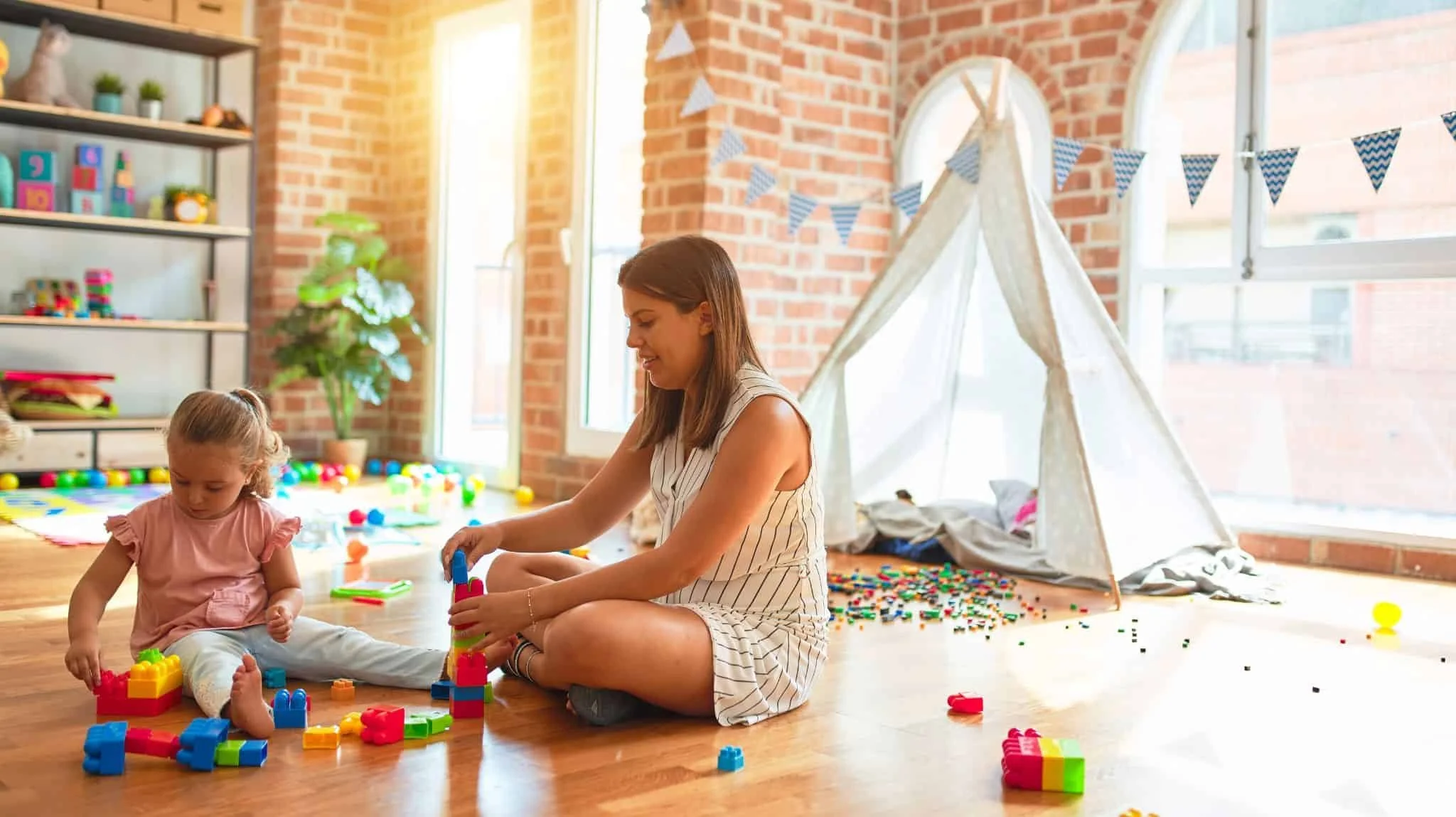
Play is one of the most natural ways children learn how to collaborate, communicate, and build empathy. Through shared play, children practise taking turns, sharing resources, and working towards a shared goal. Activities such as building projects, puzzles, board games, or creative tasks encourage cooperation. Children learn how to express ideas, listen to others, and adapt when plans change. These skills support confidence and resilience in social situations.
Disagreements are a normal part of play. When children want the same toy or have different ideas, they have an opportunity to practise expressing feelings and finding solutions. Allowing children time to work through small challenges helps them develop problem-solving skills and emotional awareness. Outdoor play adds another layer of learning. Organising games, agreeing on rules, and adapting when something does not go as planned helps children understand fairness, boundaries, and flexibility.
Helpful reminders for adults:
Model calm and respectful communication
Acknowledge effort, not just outcomes
Allow children time to attempt solutions before stepping in
These moments help children feel more confident navigating friendships and group settings.
Emotional Skills Through Everyday Moments
Life skills are closely linked to emotional development. When children are involved in routines, they practise managing feelings such as frustration, excitement, or disappointment. Waiting for a turn, completing a task, or adapting when plans change all require emotional regulation. With support from adults, children learn how to manage these feelings in healthy ways. Talking about emotions during everyday moments also helps children build emotional awareness. Naming feelings, acknowledging effort, and offering reassurance supports children in understanding their own experiences. Both parents and nannies can support emotional development by responding calmly and consistently. This helps children feel safe and understood, even when emotions run high.
Planning Mini Activities
Involving children in planning small activities supports independence, confidence, and problem-solving. This might include choosing a craft activity, planning a trip to the park, or organising an afternoon at home. When children help decide what is needed, they practise sequencing and forward planning. They learn to think about what comes first, what is needed, and how long things might take.
Planning also encourages flexibility. Sometimes plans change due to weather, time, or energy levels. When children are supported through these moments, they learn how to adapt and find alternatives. Allowing children to take the lead, with gentle guidance, shows them that their ideas are valued. This supports self-esteem and encourages children to take initiative.
Try this together: Invite children to help plan part of their day. Adults can offer structure and support while allowing children to guide decisions where appropriate.
Consistency Between Parents and Nannies
Children benefit most when the adults in their lives work together. Consistency between parents and nannies helps children feel secure and confident. When routines and expectations are similar, children know what to expect and how to participate. Open communication helps support this consistency. Sharing routines, values, and approaches ensures that children receive the same messages about independence, responsibility, and care. This collaborative approach also helps children feel supported and understood. They learn that the adults around them are working together to help them grow.
Why These Skills Truly Last
Everyday routines provide meaningful learning opportunities, and through tidying up, mealtimes, shared play, and planning small activities, children develop independence, confidence, and resilience. These moments do not need to be perfectly structured; they simply require time, patience, and a willingness to involve children in everyday life. When adults slow down and include children, learning happens naturally, helping them gain practical skills alongside emotional and social understanding. From packing a school bag to planning an activity or navigating a disagreement, these experiences shape how children see themselves, supporting them throughout childhood and beyond. By practising these skills consistently, children learn to approach new situations with confidence and curiosity, building the abilities that truly last a lifetime.

About Kindred Nannies
The team at Kindred Nannies has over 20 years of experience helping families find a nanny in the UK and abroad. We have assisted hundreds of nannies to find a rewarding nanny job caring for children of all ages throughout London and the surrounding areas.